

$350.00
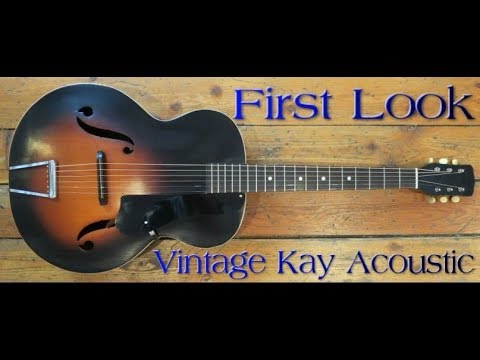
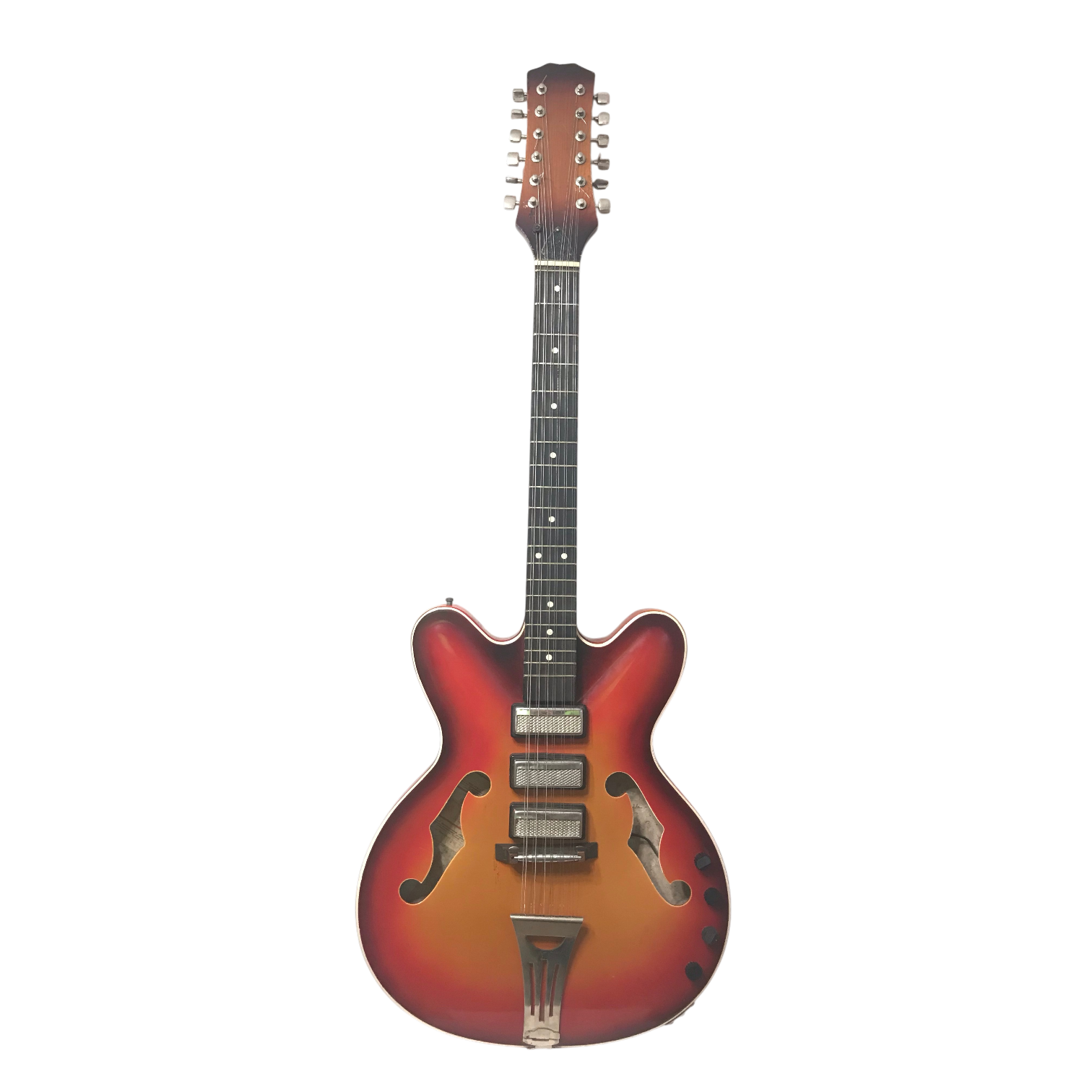
Rare Maria Lider 12-string semi-hollow archtop electric guitar from the 1960s–70s USSR (Leningrad). Finished in classic sunburst and freshly restrung, this unique Soviet-era instrument features a distinctive polystyrene body, 3 volume controls with master tone, and a stainless jazz tailpiece.
In good working condition with vintage wear. A true collector’s piece with unmistakable Cold War character.
Sold as-is. Please review photos and ask questions before purchase.
Out of stock
Description
Step into the sound and history of the Soviet era with this rare Maria Lider 12-string semi-hollow archtop electric guitar, produced in Leningrad, USSR during the 1960s–1970s.
These instruments are unlike anything produced in the West. Inspired in form by the iconic ES-335 silhouette, this piece carries its own unmistakable Soviet identity both in construction and tone.
Key Features:
- Authentic USSR-era production (Leningrad)
- 12-string semi-hollow archtop design
- Classic sunburst finish
- Freshly restrung and in working condition
- Unique polystyrene body construction (a distinctive Soviet-era material approach)
- Thick, square-profile neck
- Fingerboard mounted with 5-bolt metal plate system
- 3 individual volume controls + master tone
- Stainless steel jazz tailpiece
- Adjustable floating bridge
- Standard 1/4″ output jack
Condition:
This guitar is in good working condition with visible signs of age and use consistent with vintage Soviet instruments. Please review all photos carefully.
As with many USSR-era guitars, this piece is valued as much for its historical and collectible significance as for its playability. These instruments were often experimental in construction and represent a fascinating chapter in global guitar history.
Important Notes:
- Sold as-is
- No returns or refunds
- Please ask any questions prior to purchase
This is a rare opportunity to own a truly unique Cold War-era instrument that stands out in any collection, studio, or conversation.
Related products
-
Sale!

Professional Tenor Saxophone Brass Black Lacquer B-flat Sax W/ Accessories O9Q7
Original price was: $1,249.99.$997.99Current price is: $997.99. Add to cart -
Sale!
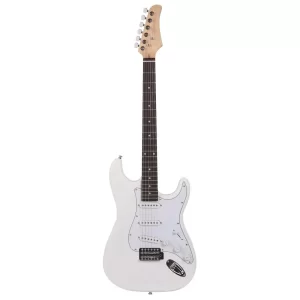
White OEM Electric Guitar with Rosewood Fingerboard – Stylish & Durable Design for All Players
Original price was: $299.99.$199.99Current price is: $199.99. Add to cart -
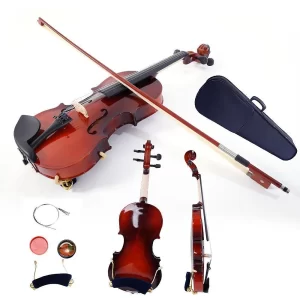
3/4 Size Acoustic Maple Violin Set – Natural Finish with Case, Bow, Rosin, Shoulder Rest
$129.99 Add to cart -
Sale!

L-Shaped Music Producer Desk with LED Lighting and Power Outlets – 78″ Reversible Home Studio Workstation, USB Ports, Shelves, Monitor Stand, and Organizer Hooks
Original price was: $499.99.$369.99Current price is: $369.99. Add to cart